Text
Distribution of Drinking Water Supplies from 2016 to 2018 in Indonesia
Abstract
Systems for distribution and storage Population growth has led to increased
urban development and industrialization to increase drinking water demand.
The goal of this study is to define the distribution in Indonesia of potable water
sources between 2016 and 2018. The methodology consists of the historical data
for distributing water sources, which are examined by the Indonesian Minister
of Public Health in all regions in Indonesia, the calculation of the distribution
of drinking water by excel during 2016-2018, and analyses by using the field
analytical technique. The findings have shown that regulations and policies in
Indonesia already have a centralized system, although the central government
regulations must refer to if the local government wishes to pursue its own
policies. While there are areas where the community has helped the government
provide clean water, some communities have completely assigned the
government to provide clean water, particularly in the city. Water from local
water companies in certain regions in Indonesia does not flow because of
various factors, like weather, dry water sources, and limited technology. The
policy has become centralized, the community's active function still varies
among regions, and weather factor is closely linked to clean water supplies in
Indonesia
Keywords: Clean Water Supply, Community Empowerment, Drinking Water
Distribution, Regional
Ketersediaan
Tidak ada salinan data
Informasi Detail
- Judul Seri
-
-
- No. Panggil
-
RUS 00015 JIN
- Penerbit
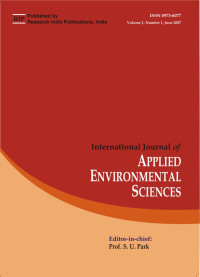
- https://www.ripublication.com/ : International Journal of Applied Environmental Sciences., 2021
- Deskripsi Fisik
-
13-35
- Bahasa
-
English
- ISBN/ISSN
-
0974-0260
- Klasifikasi
-
NONE
- Tipe Isi
-
text
- Tipe Media
-
Website
- Tipe Pembawa
-
other (computer)
- Edisi
-
Vol. 16 No. 1 2021
- Subjek
-
-
- Info Detail Spesifik
-
-
- Pernyataan Tanggungjawab
-
Rusny Muhammad
Versi lain/terkait
Tidak tersedia versi lain
Lampiran Berkas
Komentar
Anda harus masuk sebelum memberikan komentar
 Karya Umum
 Filsafat
 Agama
 Ilmu-ilmu Sosial
 Bahasa
 Ilmu-ilmu Murni
 Ilmu-ilmu Terapan
 Kesenian, Hiburan, dan Olahraga
 Kesusastraan
 Geografi dan Sejarah